Table Of Content
- Are house centipedes a sign of a more significant pest problem in my home?
- Consider house centipedes a warning of an even bigger pest problem.
- Do house centipedes have any benefits for my home, or should I eliminate them entirely?
- What Are House Centipedes?
- Signs You Have a House Centipede Infestation
- Pesticides
- Ways to Remove House Centipedes
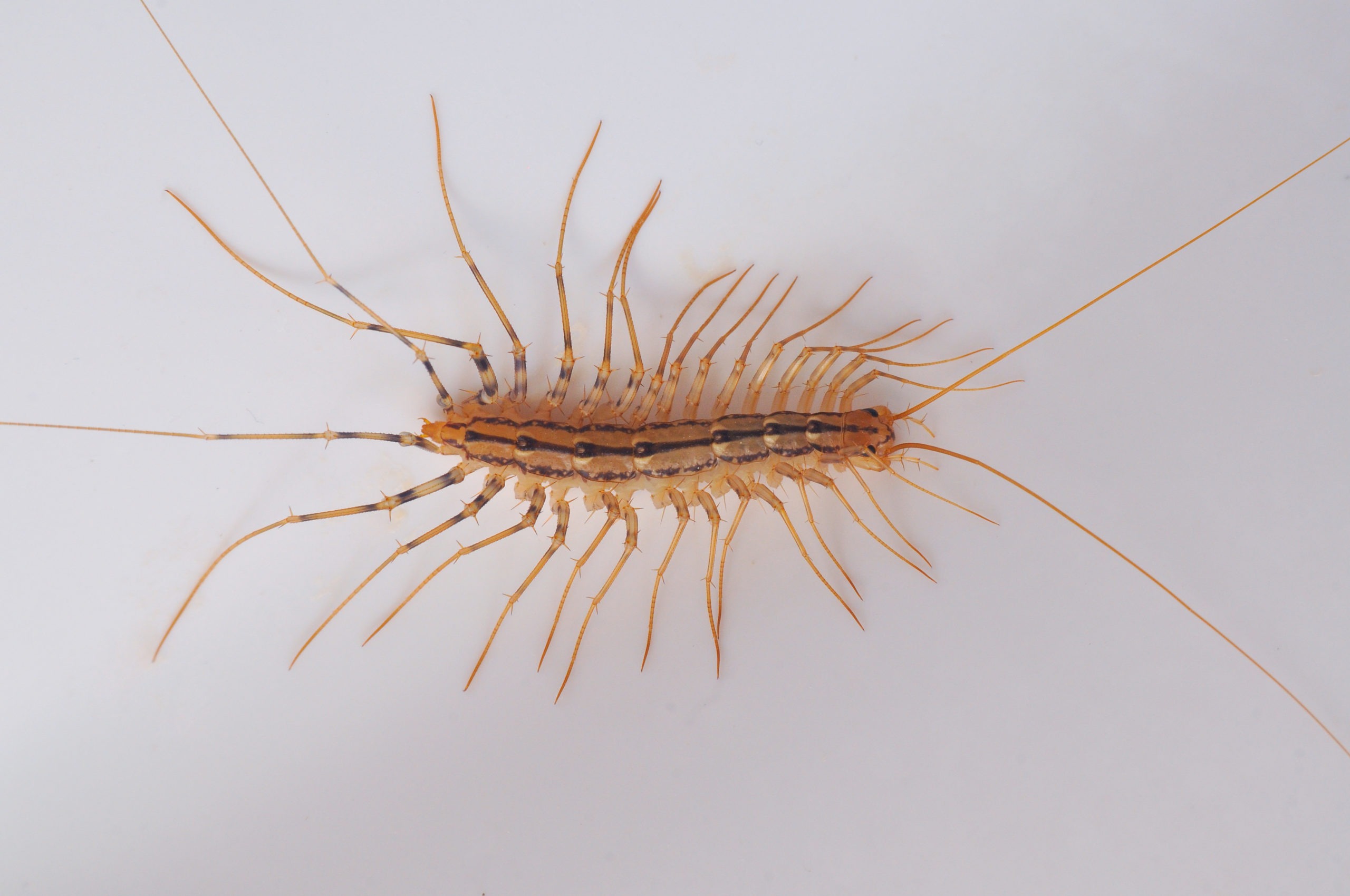
They also adapted their feeding pattern to the type of hazard the prey might pose to them. House centipedes have been observed to groom their legs by curling around and grooming them with their forcipules. Now, other centipede species are known to cause some pretty significant pain after a bite! Giant centipedes have a reputation for sending people to the hospital. Thankfully, that’s not the case with the standard house centipedes you see scurrying around in the dark. It’s a defense mechanism that the centipede is more than willing to use if need be.
Are house centipedes a sign of a more significant pest problem in my home?
Allergy sufferers may have to seek medical attention if a severe reaction occurs. There is another element to the bite that can cause irritation in those with sensitivities—more on that in a second. The redness and discomfort will last around 48 hours or so, which is why no one considers house centipedes to be dangerous. After that, the redness will subside while the pain dissipates.
Centipedes make Serangoon residents' skin crawl, Latest Singapore News - The New Paper
Centipedes make Serangoon residents' skin crawl, Latest Singapore News.
Posted: Fri, 13 Oct 2017 07:00:00 GMT [source]
Consider house centipedes a warning of an even bigger pest problem.
This makes it tough for the centipede’s prey to differentiate the front from the rear. There are a few methods you can use to deter house centipedes from taking up residence in your home. These carnivorous bugs eat other bugs, but mostly they just hide in dark crevices until they decide to scurry out and startle you. They like damp dark places, and tend to be more active at night, though if you disturb one of their hiding or resting places, you may see them scuttling about during the day.
Do house centipedes have any benefits for my home, or should I eliminate them entirely?
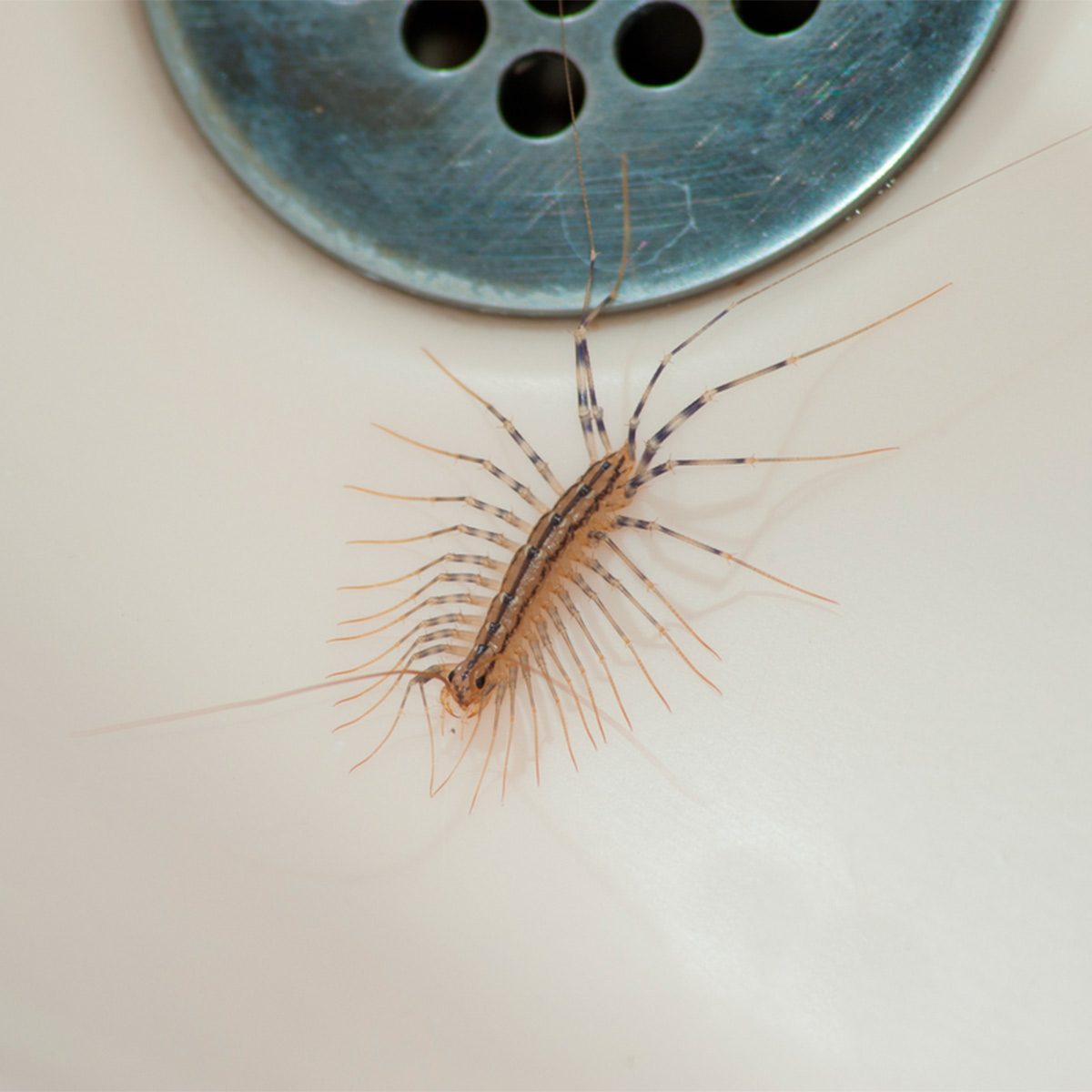
These centipedes can be found in almost any part of the house, although they are usually encountered in dark or dimly lit areas such as basements and garages. Inside the home, they can be found in bathrooms and lavatories, which tend to be humid, but they can also be found in drier places like offices, bedrooms and dining rooms. They are usually seen crawling along the ground or floor, but they are capable of climbing walls. Discovering a population of centipedes in your home could indicate other insects sharing your home. House centipedes will only stay where they have an ample food source. Centipedes are also partial to moisture, so investigate to ensure there are no leaky pipes or appliances that need repair.
What Are House Centipedes?
Install window screen in basement floor drains to prevent centipedes from entering from dry sumps. In the event of a centipede bite, it is always best to contact a health care professional. Besides a little discomfort, most dogs are unaffected by eating centipedes or receiving a bite. The two animals often come into conflict outdoors when dogs sniff around thick brush or clutter. Pests like ticks and fleas pose a much greater threat to dogs.
During the summer, they can sometimes be found outdoors in areas near buildings. Researchers have isolated more than 500 components of centipede venom, but they have only described a few of these. The bite looks like two red marks on the skin, which form a V-shape due to the positioning of the forcipules of the centipede. The symptoms typically disappear within a few hours or days, and there is a low risk of any long-term consequences.
Something nasty this way comes - Olive Press News Spain - The Olive Press
Something nasty this way comes - Olive Press News Spain.
Posted: Tue, 10 Aug 2010 07:00:00 GMT [source]
If you did sustain a bite, it would feel like a mild bee sting. The house centipedes are not going to damage your home like other pests might. They do not nest, which means they won’t build any nest inside your home or damage parts of your home to create the nest. They do not create webs like spiders or infest an area like many types of insects will. Since they feed on other insects, they aren’t going to damage the wood in your home like termites might. They simply find dark corners to live in when they’re not hunting for food.
Pesticides
They will also come indoors, so it’s not unusual to find one in your house. Have you ever seen a many-legged creature scurrying so fast across the ground that you take a second look to make sure you actually saw it? Check information about other bugs and learn if they bite or not and what you should do in case they bite.
Centipede bites may look similar to bites from other more dangerous insects. If you aren’t sure what bit you, see a doctor, especially if your symptoms are severe. All centipedes have the ability to bite, although some smaller species are not strong enough to puncture human skin.
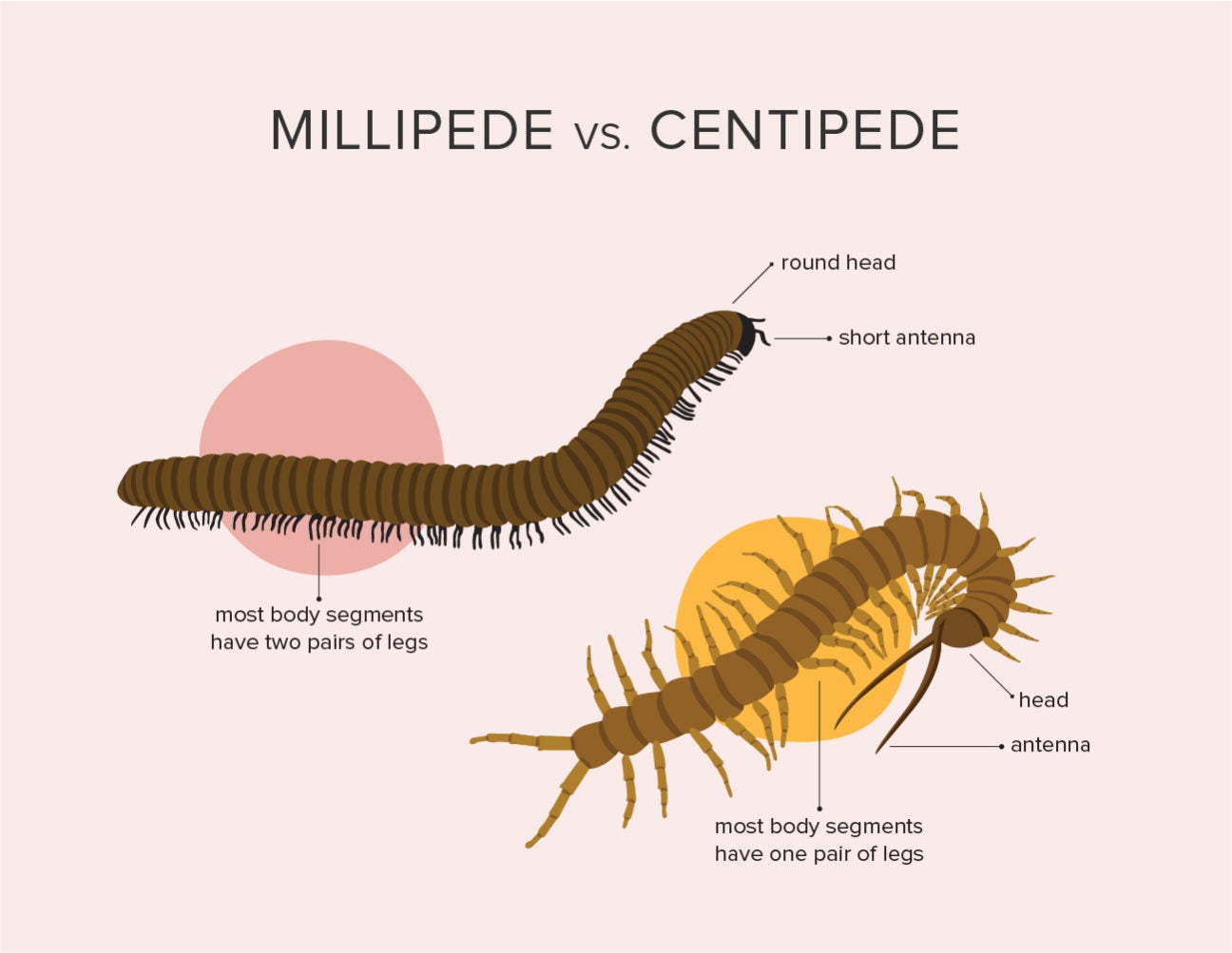
The large Scolopendra can inflict a very painful bite and should be handled with great care. Centipedes are generally considered nuisance pests, as they do not pose significant health or property threats. However, all house centipedes have poison jaws with which they inject venom into their prey. While centipedes do have venom and will poison their prey, they typically will only be aggressive towards something they can actually eat. If a common household centipede gets scared and bites you, you might feel a slight pinch.
However, in most cases, a person will not need to seek medical attention because a centipede bite is rarely serious. Some people may experience severe symptoms or allergic reactions from the centipede venom, but these occur only rarely. They eat a wide variety of pesky bugs, including flies, ants, moths, silverfish, spiders, and cockroaches. The average female house centipede can lay between 60 and 150 eggs at a time. So, for every centipede you see, there could be 100 more lurking elsewhere.
A few people have reported euphoric feelings, psychological effects, and memory disturbances following a centipede bite. People rarely report any serious symptoms from a centipede bite. Centipedes are found in areas of high moisture, such as loose bark, in rotting logs, under stones, in trash or piles of leaves and grass. When they invade homes, centipedes are most commonly found in damp basements, crawlspaces, bathrooms or potted plants. Treat stings and pinches as you would a bee sting or mosquito bite, with anti-itch and pain-relieving medication. You can identify a centipede bite by the two puncture marks where the venom entered your skin.
They’ve even been known to make meals of birds, mice, bats and snakes. The house centipede is thought to be native to the Mediterranean region, but Scutigera coleoptrata Is now well-established throughout Europe, North America, and Asia. They don’t leave much of a trail, so you often have to see them to get rid of them. But if you come across one, there are numerous natural remedies for centipedes, along with using chemicals. Centipedes are nocturnal, leaving their daytime cover to find food. They will enter a house through cracks or openings in the foundation, so checking your home for unwanted entrances is crucial to establishing a pest-free home.


No comments:
Post a Comment